If you are drawn to Honolua Ridge, you are probably not looking for an ordinary Maui purchase. You are weighing space, privacy, and a long-term vision in one of West Maui’s most distinctive estate settings. The big question is whether you should buy an existing home or start with land and build around your exact goals. This guide will help you compare both paths in Honolua Ridge so you can move forward with more clarity. Let’s dive in.
Honolua Ridge at a Glance
Honolua Ridge is part of Kapalua Resort in West Maui. County records place it alongside other existing subdivisions within Kapalua, and Maui Land & Pineapple has described Honolua Ridge Phase I and II as 50 agricultural lots ranging from 3 to 30 acres.
That setting shapes the ownership experience. You are not just choosing a home in a resort area. You are choosing between a privacy-first estate-lot environment and the convenience of being closer to Kapalua’s day-to-day resort services and amenities.
Why Buyers Consider Honolua Ridge
Kapalua is known for its beaches, golf, dining, spa, tennis, lodging, and the historic Honolua Store. It also includes access to well-known coastal areas such as Honolua and Mokule‘ia Bay marine sanctuaries.
For many buyers, that creates a very specific appeal. You can enjoy the lifestyle benefits of Kapalua while prioritizing more land, more separation, and a more custom estate feel than you may find in the resort core.
Build vs Buy in Honolua Ridge
The build-or-buy decision usually comes down to control, timing, and complexity. Both options can work well, but they serve different types of buyers.
If you buy a resale home, you can move much faster toward occupancy. If you build, you gain far more control over design, layout, orientation, and how the property supports your long-term lifestyle.
When buying may make more sense
A resale home is often the lower-friction path. You can focus on purchase price, closing costs, and any planned updates instead of taking on a full design and construction process.
This route may be a better fit if you want to start using the property sooner or prefer fewer moving parts. It can also be easier if you do not want to manage permit timing, consultants, site work, and construction coordination.
When building may make more sense
Building can be appealing if you have a clear vision for how the home should live on the land. That might include view orientation, indoor-outdoor flow, privacy planning, or a layout designed for extended family use.
A custom build also gives you the chance to align the home with current code requirements from the start. But that flexibility comes with a more involved approval and construction path.
What Building Usually Involves
On Maui, new construction requires a building permit, and multiple county and state agencies may review an application. Separate electrical, plumbing, and flood-development steps may also apply depending on the parcel and project.
Maui County’s current building-code enforcement applies to applications submitted on or after October 28, 2023. The county also states that a permit expires after five years if work is not completed, which makes timeline planning especially important for custom homes.
The permit path is more layered
For a new home, the process can involve planning, building, electrical, plumbing, flood, water, and grading approvals before the home is ready to occupy. That is why building is usually much more complex than closing on a resale property.
Even on a large lot, you should not assume the path will be simple. Acreage can create flexibility, but it does not remove entitlement limits or review requirements.
Your budget needs more categories
With a resale, your budget is usually centered on the purchase price, closing costs, and any immediate improvements. With a custom build, the cost picture is broader.
You may need to account for land cost, architect and engineering work, survey, civil work, grading, retaining walls, utility coordination, permit fees, construction financing carry, and contingency. New dwellings also need to comply with current building and energy-code requirements.
Agricultural Zoning Matters
Honolua Ridge lots have been described as agricultural lots, and that matters for what you can build. In Maui County’s agricultural district, baseline standards include a 2-acre minimum lot, a 25-foot front setback, 15-foot side and rear setbacks, a 10% maximum developable area for farm dwellings, and a 30-foot dwelling height limit.
The district also allows two farm dwellings per lot, plus farm labor dwellings when specific agricultural-use criteria are met. In practical terms, this means a large parcel can offer real possibilities, but you still need parcel-specific confirmation before assuming a certain estate program will work.
Do not assume guest-house rights
County guidance tells buyers to verify zoning on the Maui Real Property Tax map and then confirm permitted uses in Title 19. This is especially important for buyers who want a main home plus additional living spaces.
Accessory dwellings are only allowed where the zoning district specifically lists them. So if you are imagining a house-plus-guest-house setup, that should be confirmed on the exact parcel rather than assumed based on acreage alone.
Site Planning Questions to Ask Early
Before choosing to build or buy in Honolua Ridge, it helps to narrow the conversation to a few practical questions. These can save you time, money, and frustration later.
Key due diligence questions
- What is the parcel’s exact zoning?
- How many dwellings or accessory structures are allowed on that specific TMK?
- Are there CC&Rs, HOA rules, or subdivision covenants that further limit what can be built?
- What site work has already been completed?
- What still needs to be addressed for grading, driveway access, drainage, water, wastewater, and electrical?
- Is the lot affected by flood, shoreline, SMA, or community-plan overlays?
- If building, what is the realistic timeline from design through occupancy?
- If buying resale, what maintenance, renovation, or code-upgrade issues might come with the home?
Pool Planning in West Maui
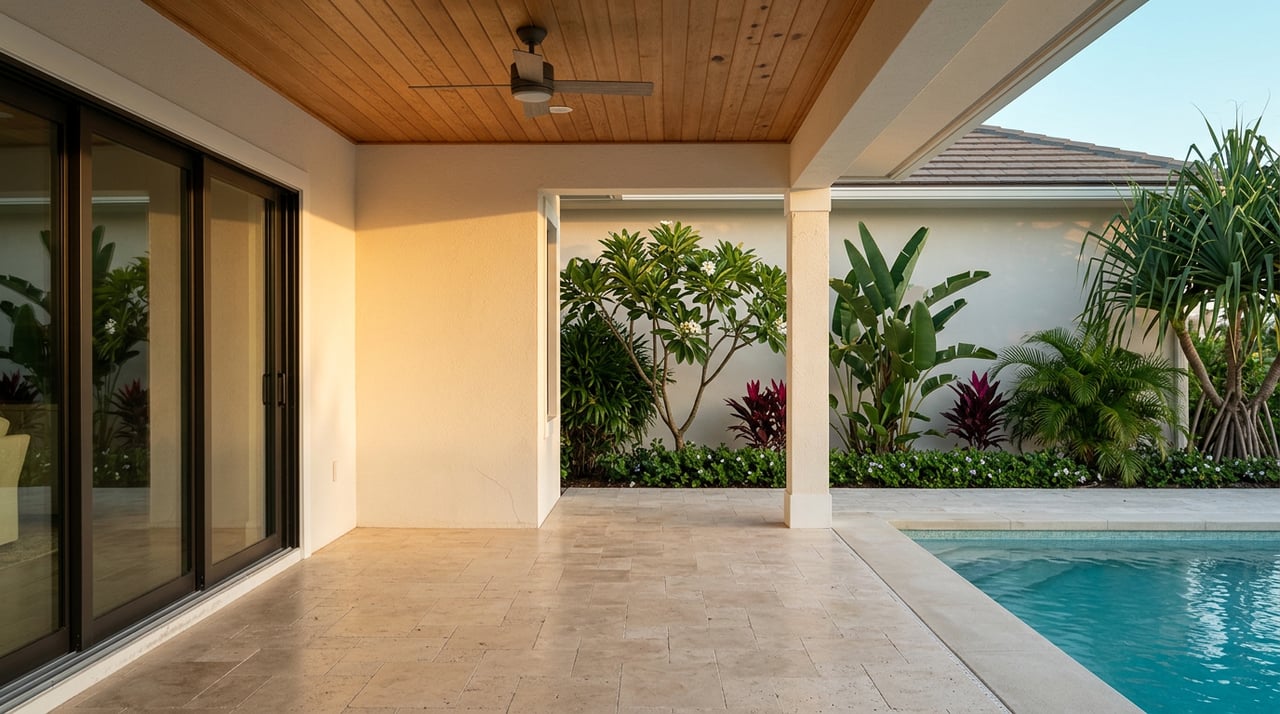
For many luxury buyers, a pool feels like a natural part of the estate vision. In West Maui, that assumption now deserves closer review.
County guidance states that effective January 27, 2026, new pools are prohibited in the West Maui Community Plan area, subject to exemptions. Kapalua is included in West Maui Subarea 1, so buyers should verify whether a specific Honolua Ridge parcel is affected before treating a pool as a guaranteed part of the design plan.
Buying Land Is Not the Same as Buying Readiness
One of the biggest misconceptions with large estate parcels is that open land automatically means easy development. In reality, the land may still require meaningful work before vertical construction begins.
Grading, drainage, retaining, utility coordination, driveway access, and permitting can all affect schedule and cost. A parcel can be beautiful and still require substantial planning before it becomes build-ready.
Resale Homes Bring a Different Kind of Due Diligence
Buying an existing home is simpler in some ways, but it is not a shortcut around diligence. Instead of permit and construction risk, you are evaluating the condition of what is already there.
That can include deferred maintenance, renovation needs, older systems, or the cost of bringing features up to current standards. The right resale can still be the best value, but only if the price reflects the work you may inherit.
Which Path Fits Your Goals?
If your top priority is speed, predictability, and immediate enjoyment, buying an existing Honolua Ridge home may be the better route. You can focus on the property’s condition, the setting, and how well the current layout matches your needs.
If your priority is creating a legacy property around a very specific vision, building may be worth the added complexity. That path tends to reward buyers who value privacy, acreage, and a long-horizon estate plan.
In Honolua Ridge, the choice is often less about which option is better in the abstract. It is more about how much design freedom you want, how much timeline uncertainty you can tolerate, and how hands-on you want to be during the process.
When you are comparing estate lots, resale homes, and long-term ownership strategy in Kapalua, local guidance matters. Scott Jordan can help you evaluate Honolua Ridge opportunities with a clear view of the market, the property, and your next steps.
FAQs
What is Honolua Ridge in Kapalua?
- Honolua Ridge is a subdivision within Kapalua Resort in West Maui, and public records describe its Phase I and II lots as agricultural parcels ranging from 3 to 30 acres.
What makes building in Honolua Ridge different from buying a resale home?
- Building usually involves a longer and more complex process that can include planning, building, electrical, plumbing, flood, water, and grading approvals, while a resale purchase is generally the faster path to occupancy.
What zoning issues should buyers check in Honolua Ridge?
- Buyers should verify the parcel’s exact zoning on the Maui Real Property Tax map and confirm permitted uses in Title 19, especially if they want more than one dwelling or additional structures.
What are the basic agricultural district standards that may affect a Honolua Ridge build?
- Maui County’s agricultural district standards include a 2-acre minimum lot, 25-foot front setback, 15-foot side and rear setbacks, a 10% maximum developable area for farm dwellings, and a 30-foot dwelling height limit.
Can you automatically build a guest house on a large Honolua Ridge lot?
- No. Accessory dwellings are only allowed where the zoning district specifically lists them, so the allowed house program must be confirmed for the exact parcel.
What should buyers know about pools in West Maui before building in Honolua Ridge?
- County guidance says that effective January 27, 2026, new pools are prohibited in the West Maui Community Plan area subject to exemptions, so buyers should verify whether a specific parcel is affected before planning one.
What should buyers review before purchasing land in Honolua Ridge?
- Buyers should review zoning, permitted uses, subdivision rules, completed and remaining site work, utility needs, overlay constraints, and the likely design-to-occupancy timeline before deciding to build.