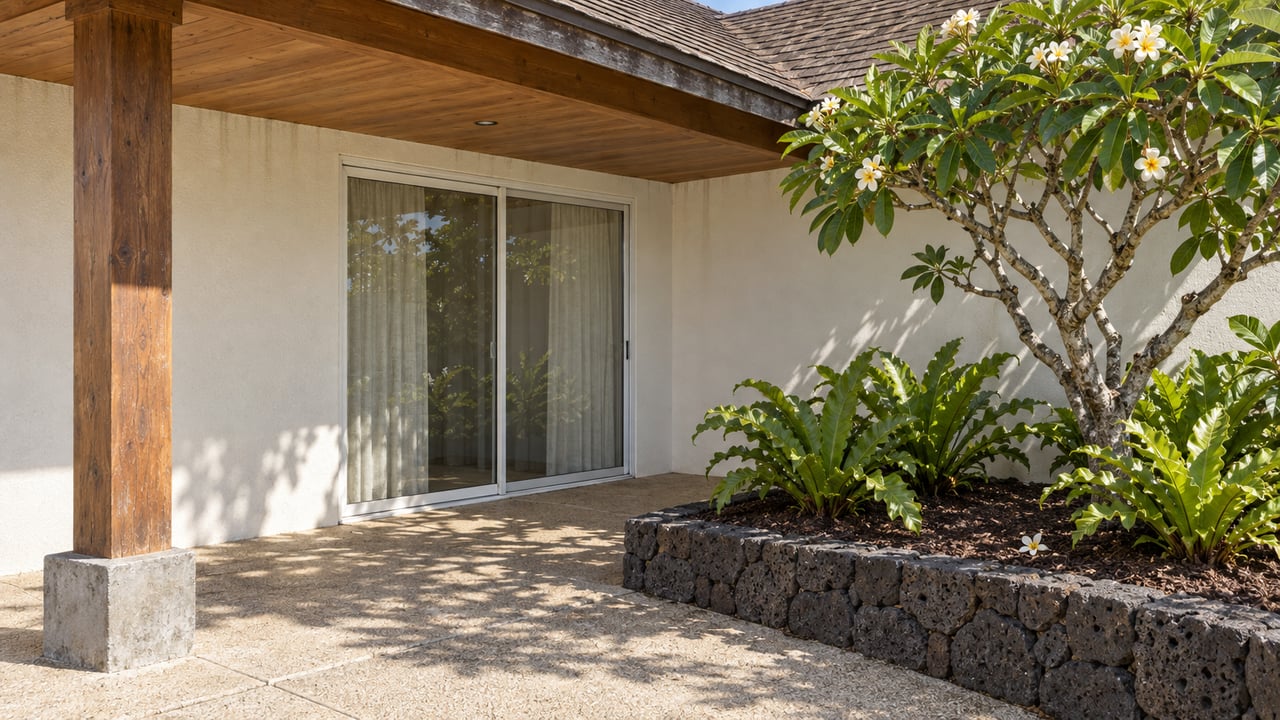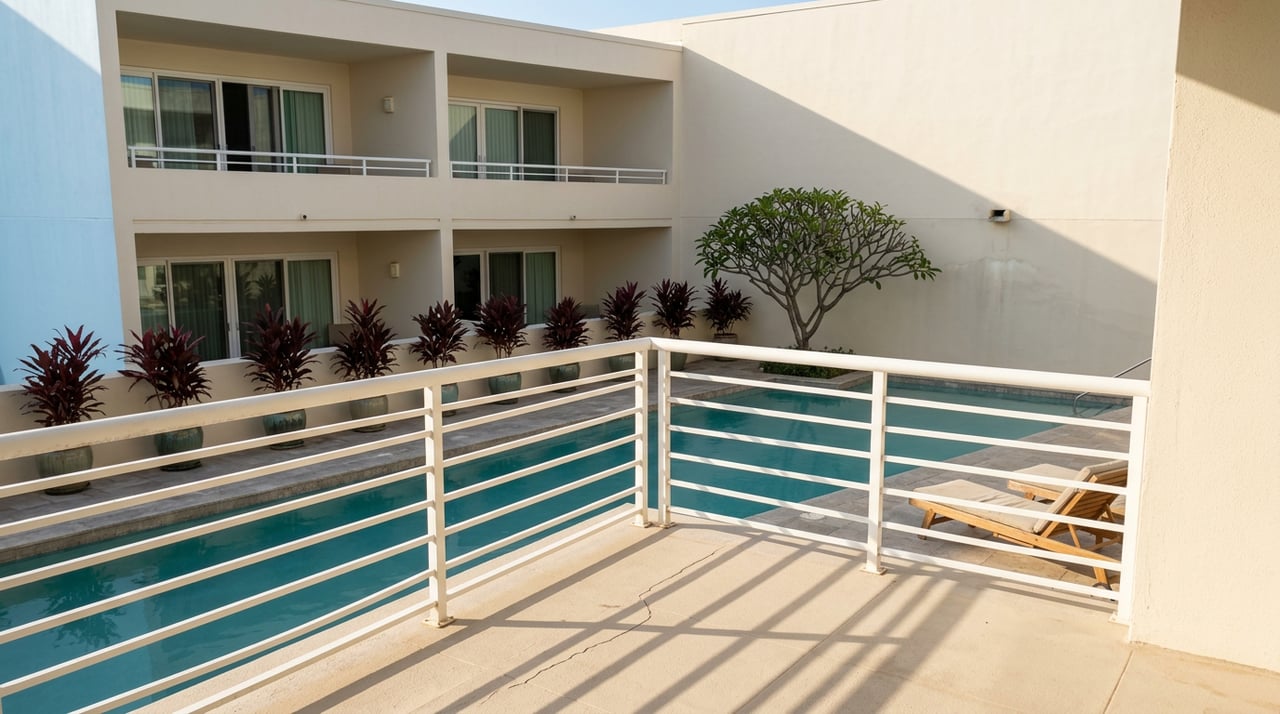
Is “CPR” in Maui real estate making your head spin? You are not alone. Hawaii’s Condominium Property Regime shapes how Kapalua condos are owned, governed, financed, and rented, so it pays to get the details right before you write an offer. In this guide, you’ll learn the CPR basics, how they show up in Kapalua’s resort communities, what to review during due diligence, and the key questions to ask so you can buy with confidence. Let’s dive in.
CPR basics in Hawaii
Hawaii’s Condominium Property Regime sets the rules for creating individual unit ownership within a larger property that shares common elements. The primary law is Hawaii Revised Statutes Chapter 514B, and the association created under a CPR is typically an Association of Apartment Owners, or AOAO.
At a glance:
- Unit: The space you own, often defined to the interior boundaries. It comes with an undivided interest in the common elements.
- General common elements: Land, building structure, roofs, elevators, unassigned parking, landscaping, and utilities serving all owners.
- Limited or exclusive‑use common elements: Areas assigned for a specific unit’s exclusive use, like a particular parking stall, storage locker, or sometimes a lanai, as defined by the declaration. These are use‑rights, not separate fee simple parcels.
- Percentage interest: Each unit receives a percentage interest used for voting and sharing common expenses. Confirm how assessments are allocated to your unit.
To go deeper on consumer guidance and disclosures, review the DCCA condominium resources.
What CPR means in Kapalua resorts
Kapalua’s resort communities often combine luxury living with hospitality operations. It is common to see:
- Owner‑occupied residential condos used as primary or second homes.
- Hotel‑unit models or rental pools that add management agreements, reservation systems, and different operating costs.
- Amenity‑rich developments with landscaping, pools, security, road maintenance, and sometimes resort shuttles included in the monthly assessment.
Costs can be higher in resort settings because associations may fund premium amenities, common insurance, and large‑scale maintenance. Review what your monthly dues cover and how they are calculated. Also confirm insurance coverages and deductibles. Insurance markets in Hawaii have tightened for wildfire and catastrophic losses, so you want clarity on coverage and any policy exclusions.
Short‑term rental rules in Maui County
If you plan to rent your Kapalua condo, align county rules with AOAO restrictions. Maui County sets the licensing rules, and some CPR declarations or AOAOs limit or condition rentals.
- Verify whether short‑term rentals are permitted for your specific unit and zone.
- Check if enrollment in a hotel or rental program is optional or required.
- Confirm local tax and licensing obligations in addition to AOAO house rules.
Start with the County of Maui Planning Department for zoning and permitting guidance. For an overview of short‑term rental home permits and policy context, see the county’s page on short‑term rental home permits. Your AOAO’s governing documents and meeting minutes will provide project‑specific rental rules and enforcement practices.
Fee simple vs. leasehold
Hawaii condominiums can be fee simple or leasehold. In a leasehold scenario, the land is leased for a set term and ground rent can adjust over time. Leasehold terms, renewal rights, and expiration dates can affect value, financing, and exit strategy. Confirm your tenure on the preliminary title report and obtain the ground lease and all amendments if the unit is leasehold. The Bureau of Conveyances is the state’s recording office and a key source for recorded documents.
Due diligence for Kapalua buyers
Gather these items early in escrow so you can evaluate both the real estate and the association.
Title and ownership
- Recorded CPR declaration and amendments
- Plat, survey, and legal description
- Preliminary title report identifying fee simple or leasehold
- Any Land Court notes or encumbrances
Governing documents and operations
- AOAO bylaws, articles, and house rules
- Property management agreement with the on‑site or resort operator
- Rental pool or hotel management contracts that affect owner rights
Financials and assessments
- Current budget and the past 2–3 years of financials
- Reserve study and reserve fund balance, plus any planned capital projects
- History of special assessments and any pending board actions
- Current monthly dues and the services they include
Insurance and litigation
- Association certificate of insurance, including coverages and deductibles
- Any pending or threatened litigation involving the AOAO or project
Operations and compliance
- AOAO board meeting minutes for the last 12–24 months
- Occupancy and rental policies
- Recent inspection reports for major components like roofs, elevators, and exteriors
Local regulatory and environmental checks
- Zoning, shoreline setback, flood zone, and tsunami evacuation references
- Short‑term rental status for the unit and any pending policy changes
- See county hazard mapping resources such as Maui flood maps
Physical inspection and hazards
- Independent home inspection
- For oceanfront properties, ask about salt‑air corrosion, seawalls, and coastal erosion
- Wildfire risk and defensible‑space practices, plus landscaping responsibilities
Disclosures and transfer items
- Seller disclosures
- Keys, parking and storage assignments, and any reservation or rental program transfers
Reading association health
The AOAO’s health matters as much as the unit. Focus on:
- Reserves and reserve study: Look for a current study and a reasonable funded ratio for the building’s age and needs.
- Operating performance: Repeated operating deficits or reliance on special assessments can be a warning sign.
- Assessment history: Large or frequent increases may indicate deferred maintenance.
- Insurance: Large claims or coverage gaps can lead to higher owner costs.
- Management: Stable management and clear contracts reduce friction.
Red flags include pending litigation, unapproved capital projects, unclear language about exclusive‑use elements like parking or lanais, or restrictive rental rules that limit your use and exit options.
Key questions before you offer
Use this quick checklist to frame your offer strategy.
Ownership and title
- Is the unit fee simple or leasehold, and what are the exact lease terms if applicable?
- What is the unit’s percentage interest and how are assessments allocated?
Association finances and assessments
- What are the current monthly dues and exactly which services are included?
- What is the reserve balance and date of the last reserve study? Any planned capital projects or special assessments?
- Are there any pending or anticipated litigation matters?
Use, rental, and occupancy
- Are short‑term rentals permitted for this unit, and are there AOAO restrictions or program enrollment requirements?
- Are there minimum stay rules or owner‑occupancy limits?
Physical condition and inspections
- What major repairs have been completed recently and what is next on the schedule?
- Are any assessments tied to insurance deductibles or hazard mitigation?
Insurance and hazards
- What does the association’s policy cover versus your interior and contents? What are the deductibles?
Practical unit use
- Is your parking stall deeded or assigned, and can it be transferred or reassigned under the declaration?
- Are storage lockers available and how are they allocated?
- What are the pet rules and size limits, if any?
Management and governance
- Who manages the property, what are the fees, and how can the agreement be terminated?
- How engaged is the ownership and how transparent are board communications?
Transfer logistics
- If the unit is in a rental program, what happens to existing reservations and are there transfer fees or holdbacks?
Resale and financing
- Are there any conditions that could impact mortgageability, such as litigation or insufficient reserves?
Kapalua buyer tips
- Think lifestyle fit: Amenity access, shuttle services, and proximity to beaches or golf can be worth a premium if you will use them. Make sure the AOAO rules support your plans.
- Model your holding costs: Compare dues across comparable projects and confirm what they cover. A slightly higher monthly fee may include services you would otherwise pay out of pocket.
- Align rental goals early: If you plan to rent, verify program rules and owner use calendars before you fall in love with a floor plan.
- Confirm hazards and coverage: Review insurance details and project history for storms, wildfire risk, or coastal issues.
Your next step to buy with confidence
Buying in Kapalua is about pairing the right lifestyle with the right operations. Start with the statute and consumer guides, then dig into the AOAO documents, financials, and county rules. For statute and consumer references, see HRS Chapter 514B and the DCCA condominium guides. For zoning and permitting context, visit the County of Maui Planning Department. When you are ready to act, work with a local team that can help you evaluate both ownership fit and rental performance.
If you want one accountable partner from purchase through operations, connect with Scott Jordan for Kapalua buyer representation and integrated vacation‑rental management.
FAQs
What is a Condominium Property Regime in Hawaii?
- A CPR is the legal framework that creates individual unit ownership plus shared common elements, governed by an AOAO under HRS Chapter 514B.
How do AOAO rules affect Kapalua condo ownership?
- AOAO rules control use of common areas, exclusive‑use elements like parking, rental policies, and owner conduct; they also set budgets and assessments.
Can I short‑term rent my Kapalua condo?
- It depends on county zoning and AOAO rules. Confirm unit‑specific eligibility with the Maui Planning Department and your project’s governing documents.
What is the difference between fee simple and leasehold?
- Fee simple means you own the unit and land interest. Leasehold means you own the unit for a lease term and pay ground rent, which can impact value and financing.
What should I look for in HOA financials?
- Review the reserve study and balance, operating results, assessment history, insurance deductibles, and any notices of pending special assessments or litigation.
Where do I find official condo documents and records?
- Recorded documents are at the Bureau of Conveyances. Consumer resources and guidance are available from the DCCA.