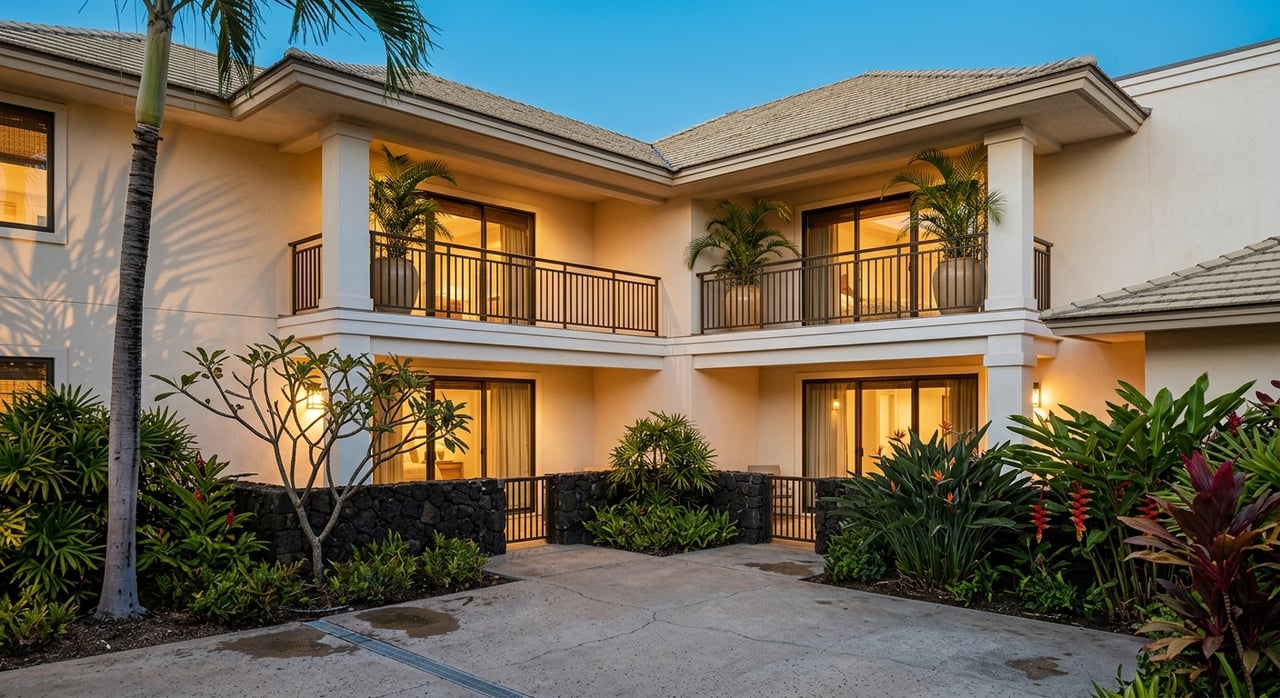
Choosing between the hotel program and an independent rental at Ritz-Carlton Kapalua is not just about income. It is about how hands-on you want to be, how much flexibility you need, and how much operational complexity you are willing to take on in Maui. If you are weighing lifestyle, rental performance, and ease of ownership, this comparison will help you focus on the details that matter most. Let’s dive in.
Ritz-Carlton Kapalua Ownership Basics
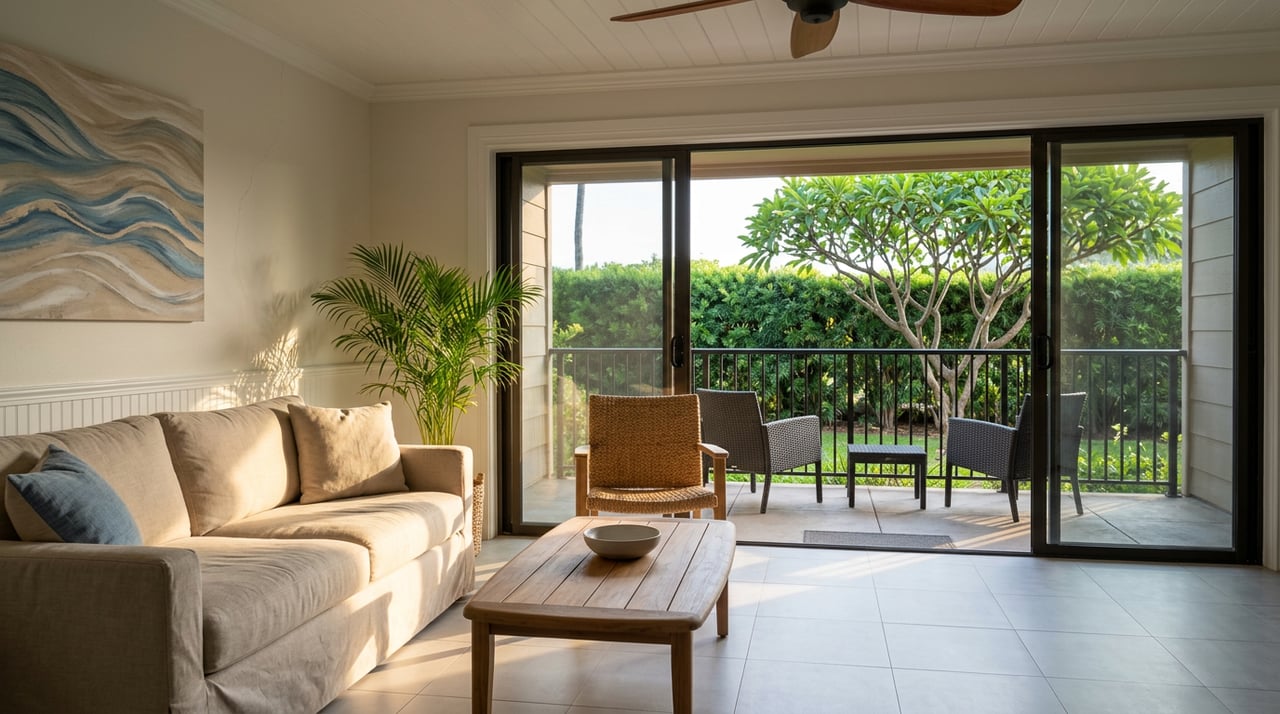
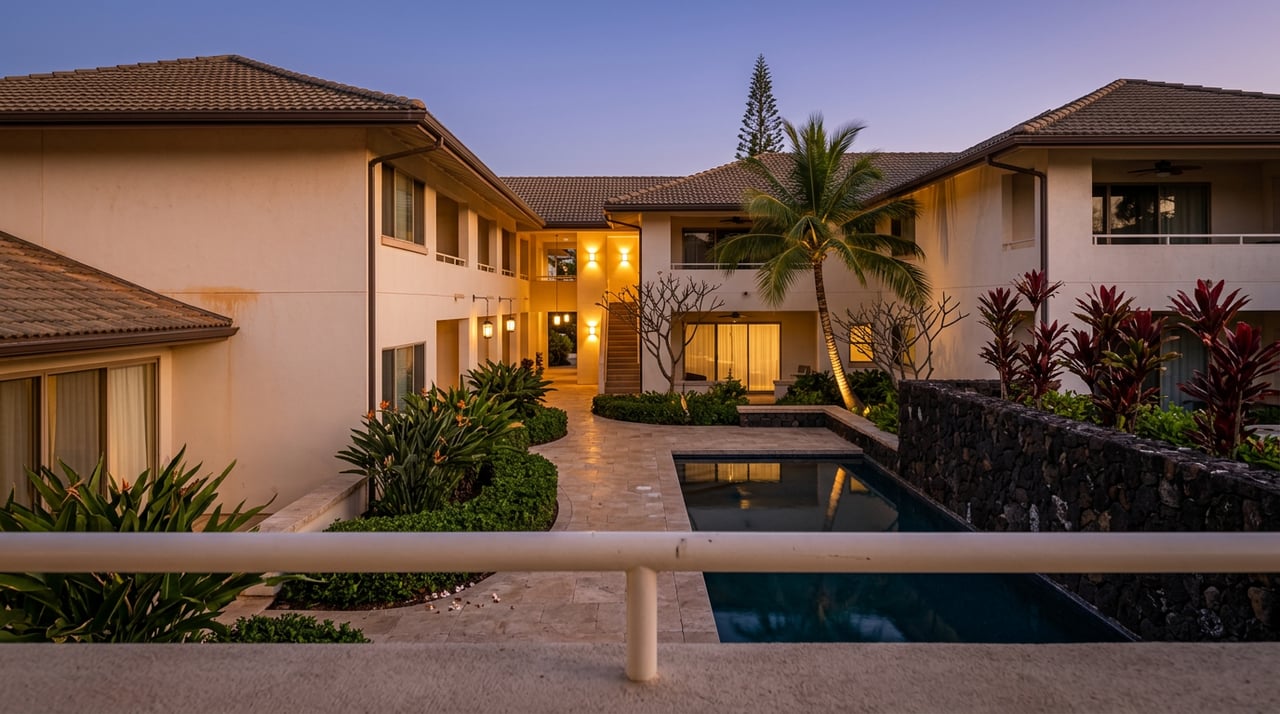
The Ritz-Carlton Maui, Kapalua is an active luxury resort at 1 Ritz-Carlton Drive on Maui’s northwest shore. Official hotel materials describe a 54-acre resort within the 22,000-acre Kapalua Resort, with 468 reimagined guestrooms that include 107 residential suites. Those residential suites include one- and two-bedroom layouts with kitchens, private lanais, and club access.
That ownership structure matters when you compare rental paths. Marriott describes its branded residences as whole ownership residences, which means you are looking at a real property interest rather than a timeshare or fractional structure. In simple terms, ownership comes first, and rental participation is a separate operating choice.
The resort itself also plays a major role in the rental story. Marriott highlights more than 60 weekly activities, six dining experiences, and a large spa program, which supports the guest appeal of the property as a live hotel environment rather than a static condo building. For many buyers, that is a meaningful part of the value proposition.
Hotel Program at Ritz-Carlton Kapalua
If you want a more passive ownership experience, the hotel program is often the most straightforward path. Marriott includes The Ritz-Carlton Maui, Kapalua in its branded residence rental ecosystem and promotes a service package that includes twice-daily housekeeping, a dedicated Residential Concierge, dining access, spa access, and resort amenity access. That creates a familiar guest experience tied closely to the Ritz-Carlton brand.
For you as an owner, that usually means less day-to-day involvement. The hospitality layer is already built into the platform, which can reduce the friction that comes with guest communication, service coordination, and standards management. If your goal is lower-effort participation, the hotel program naturally aligns with that approach.
Another benefit is consistency. Guests booking a Ritz-Carlton stay generally expect a polished, service-heavy experience, and the hotel program is designed around those expectations. That brand alignment can be valuable if you want your unit positioned within the resort’s established luxury framework.
Why some owners prefer the hotel program
Owners often lean toward the hotel program when they value simplicity over customization. Instead of building your own operating system, you participate in one that already supports housekeeping, concierge services, and resort-style guest care.
This path may also appeal if you live off-island or want a more hands-off ownership model. For many second-home buyers and remote investors, lower operational involvement can be just as important as revenue potential.
Independent Rental Management at Ritz-Carlton Kapalua
Independent management offers a different kind of value. Instead of fitting into the resort’s standardized rental structure, you may have more control over pricing, booking channels, minimum stay requirements, and personal-use timing. If flexibility is your top priority, that can be a major advantage.
That said, more control also means more responsibility. In Hawaii, rental income from a unit rented for less than 180 consecutive days is treated as transient accommodation income, which brings registration, tax filing, and payment obligations. Maui County also requires a same-island local contact and TAT certificate posting or notice.
Before you assume independent management is an option, you need to verify whether the unit can legally operate that way. Maui County states that transient vacation rentals are rentals under 180 days, that hotel districts are intended for short-term rentals, and that TVRs outside the hotel district are prohibited unless another permit path applies. In practice, that means zoning and the project’s governing documents should be reviewed before making any decision.
Why some owners choose independent management
Independent management can make sense if you want more direct control over how the property is used and marketed. You may be able to tailor stay rules, adjust pricing more actively, and create more personalized owner-use windows.
It can also appeal if you want a management approach outside the hotel system. For some owners, that flexibility is worth the added complexity, especially when the property is part lifestyle asset and part investment.
Maui Taxes Can Change the Math
When you compare the hotel program to independent rental management, gross revenue is only one piece of the picture. Taxes and carrying costs can have a real impact on net results, especially if you are planning to operate outside the hotel program.
According to Hawaii’s tax guidance, a short-term rental is subject to Hawaii income tax, the general excise tax, and the transient accommodations tax. As of January 1, 2026, the Hawaii TAT rate is 11%, the Maui County GET surcharge is 0.5% on the 4% GET rate, and Maui County’s countywide transient accommodations tax is 3%.
Maui County also notes that the county TAT is paid separately from the state tax system, even though the state filing is deemed filed with the county. The state further notes that third-party rent collectors must file Form RCA-1 electronically on behalf of owners. If you use an outside vacation-rental manager, that filing process becomes part of your operating setup.
Property taxes matter too
County property-tax classification is another important variable. Maui County’s 2025 rates per $1,000 of net taxable assessed value include $11.80 for hotel and resort, $12.50 to $15.55 for TVR-STRH, and $2.95 to $8.50 for long-term rental, depending on assessed value tiers.
The county also states that dwelling units in the hotel district are classified as TVR-STRH unless another classification applies. That is why it is important to verify the parcel’s actual classification rather than making assumptions based on the resort name or location.
Key Questions Before You Decide
At Ritz-Carlton Kapalua, the better option depends on your goals. If you want a service-heavy, lower-effort ownership experience, the hotel program may fit best. If you want more flexibility and more say in how the property is operated, independent management may be worth exploring.
Before you move forward, focus on a few practical questions:
- Do you want a passive ownership model or a more hands-on one?
- Can the specific unit legally operate outside the hotel program?
- What are the owner-use rules, blackout dates, reserve obligations, and management terms?
- What is the parcel’s current Maui County tax classification?
- Who will handle tax registrations, filings, and local compliance if the property is rented?
These are not small details. They shape your real ownership experience and your actual net performance.
How to Think About ROI and Lifestyle
For many buyers, this decision is really about balancing convenience and control. The hotel program may offer a smoother, more turnkey path supported by the Ritz-Carlton brand, resort programming, and established hospitality operations. Independent management may offer more flexibility, but it also comes with more compliance work and more moving parts.
If you are buying for both enjoyment and income, it helps to look beyond the headline idea of rental revenue. You want to understand how the unit will be used, what the legal operating framework allows, and how taxes and management structure affect your bottom line.
At Maui Life Realty, this is where local, property-specific guidance becomes especially valuable. A branded residence in Kapalua can be an exceptional ownership opportunity, but the right path depends on the exact unit, the governing rules, and your goals as an owner.
If you are comparing ownership options at Ritz-Carlton Kapalua and want a local perspective on both purchase strategy and rental management, connect with Scott Jordan for personalized guidance.
FAQs
What is the difference between the hotel program and an independent rental at Ritz-Carlton Kapalua?
- The hotel program is a branded, service-heavy rental path tied to the resort’s hospitality platform, while an independent rental may offer more control over pricing, booking channels, stay rules, and owner use.
Can a Ritz-Carlton Kapalua unit be rented independently in Maui?
- Possibly, but you should verify the specific unit’s zoning and the project’s governing documents because Maui County rules and property-specific restrictions can affect whether independent short-term rental operation is allowed.
What taxes apply to a short-term rental in Maui, Hawaii?
- According to the research provided, short-term rentals are subject to Hawaii income tax, general excise tax, the Hawaii transient accommodations tax, and Maui County’s countywide transient accommodations tax.
Why do Maui property-tax classifications matter for Ritz-Carlton Kapalua owners?
- Property-tax classification affects annual carrying costs, and Maui County says units in the hotel district may be classified as TVR-STRH unless another classification applies, so the parcel’s actual classification should be confirmed.
Who is the best fit for the Ritz-Carlton Kapalua hotel program?
- Buyers who want a more passive, lower-touch ownership experience with standardized guest services, housekeeping, concierge support, and resort integration may find the hotel program more appealing.
Who may prefer independent rental management at Ritz-Carlton Kapalua?
- Owners who want more operational flexibility, more control over personal-use timing, and a customized rental strategy may prefer independent management, provided the unit can legally operate that way.