Wondering if you can enjoy a place in Kapalua for your own getaways and still make the numbers work as a vacation rental? That is exactly why many buyers look closely at Kapalua Bay Villas. If you want a property that feels more like a private resort neighborhood than a hotel stay, this guide will help you understand what really matters before you buy. Let’s dive in.
Why Bay Villas Fits Hybrid Ownership
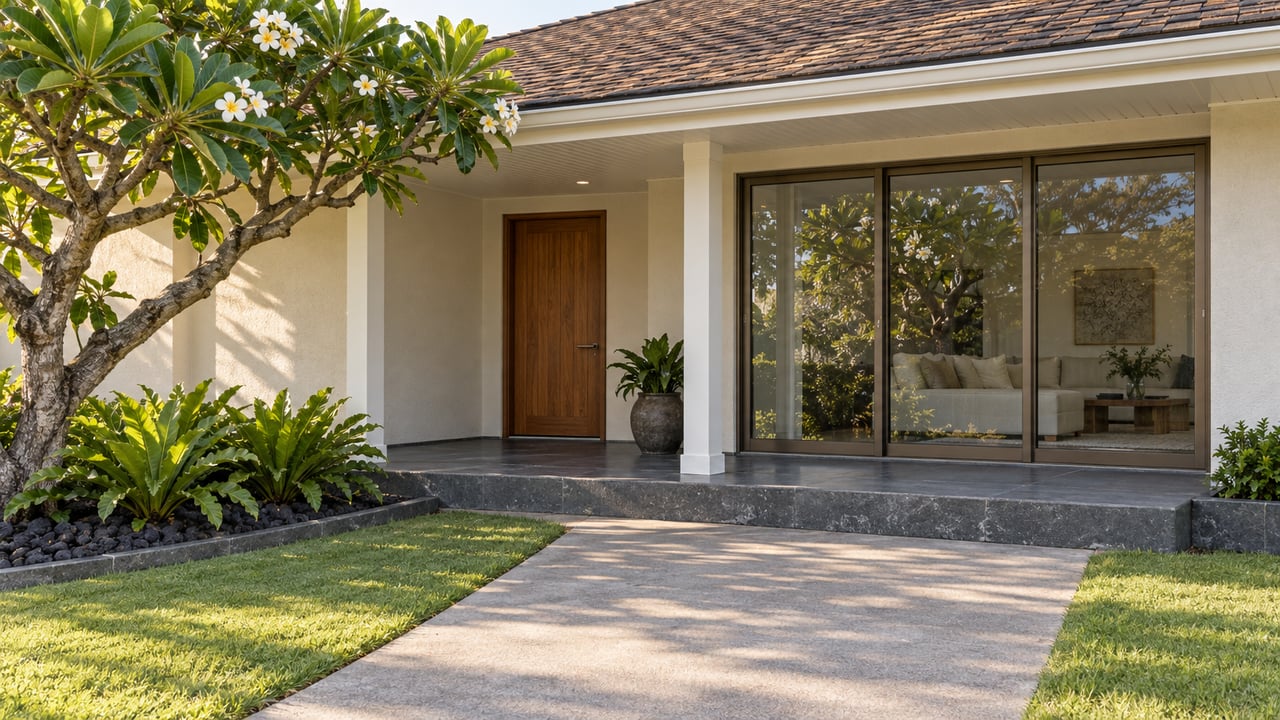
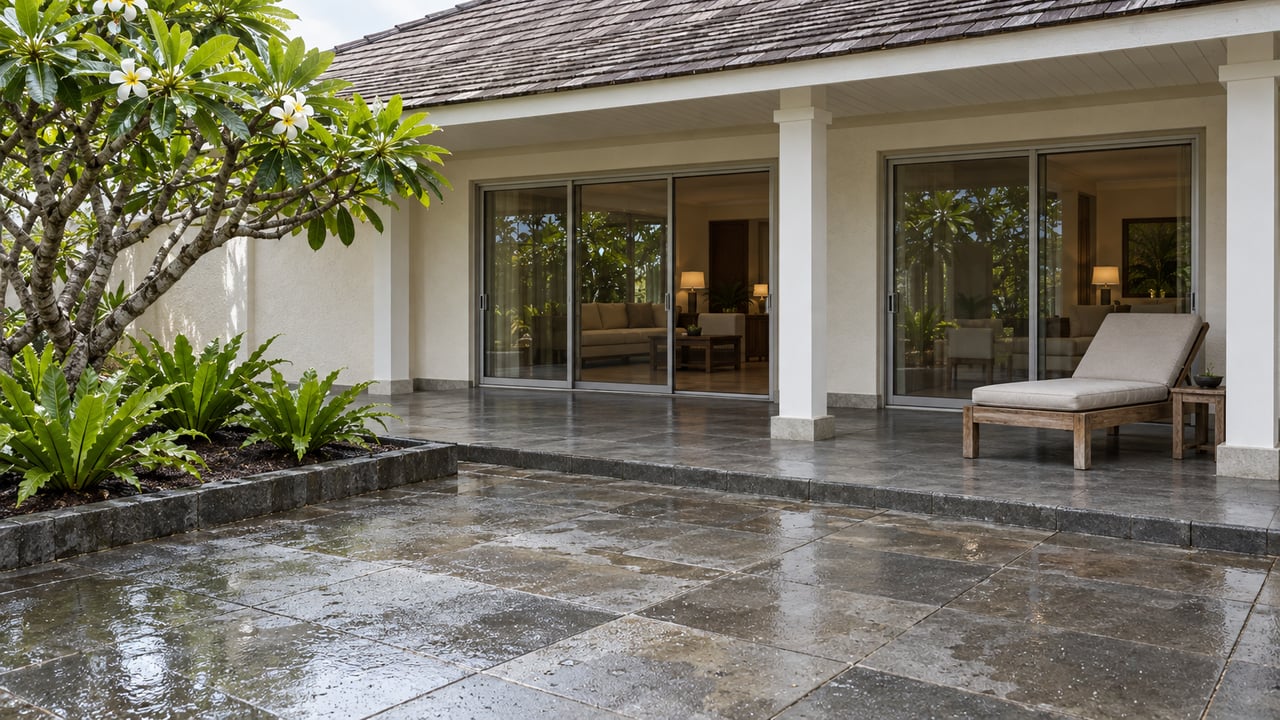
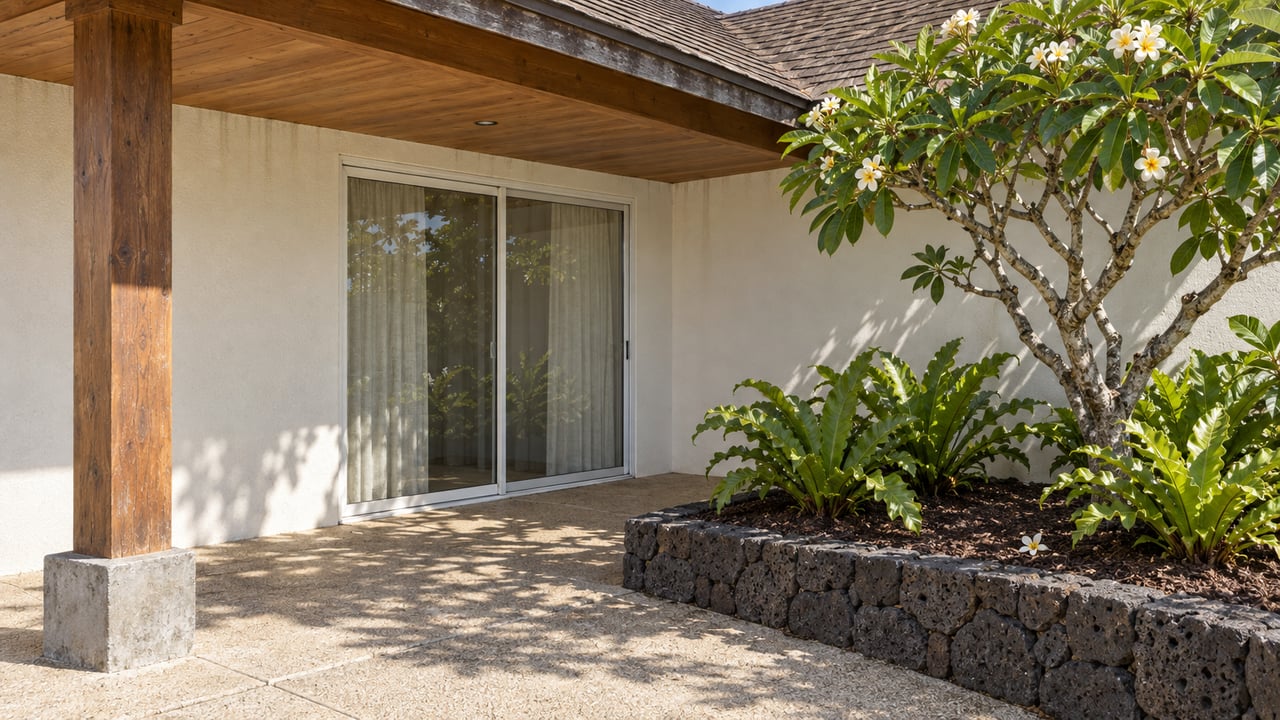
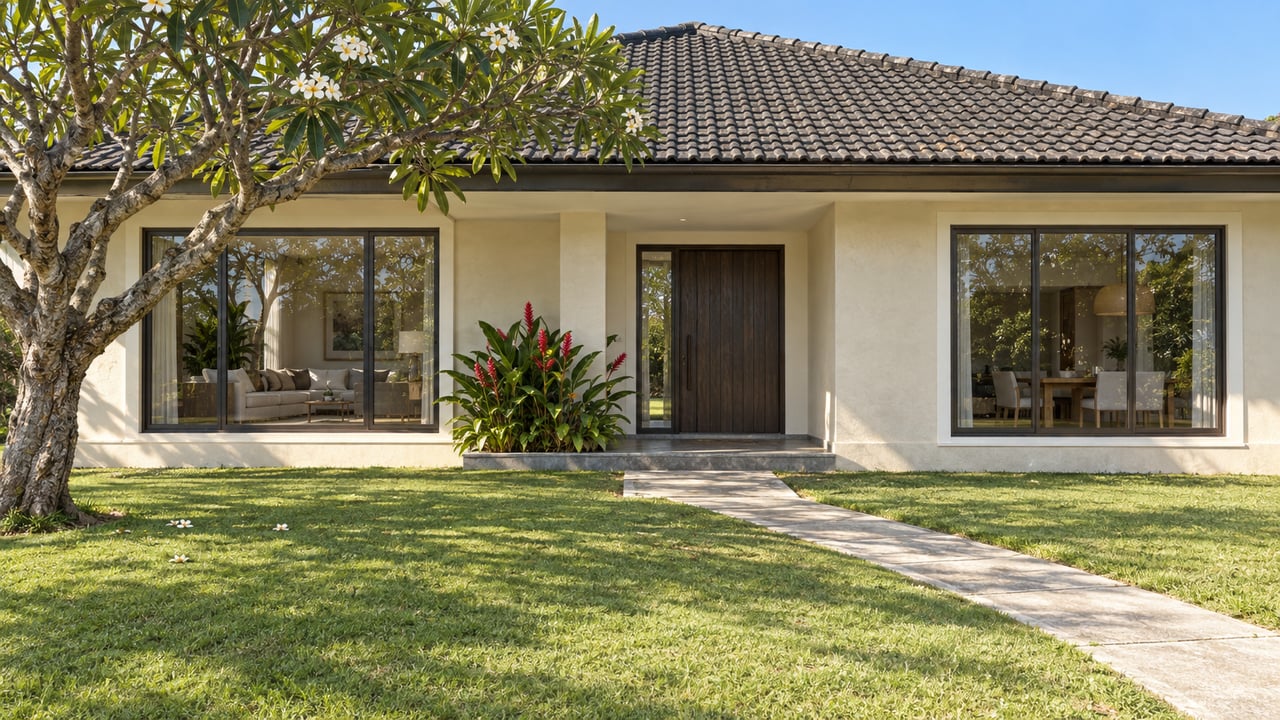
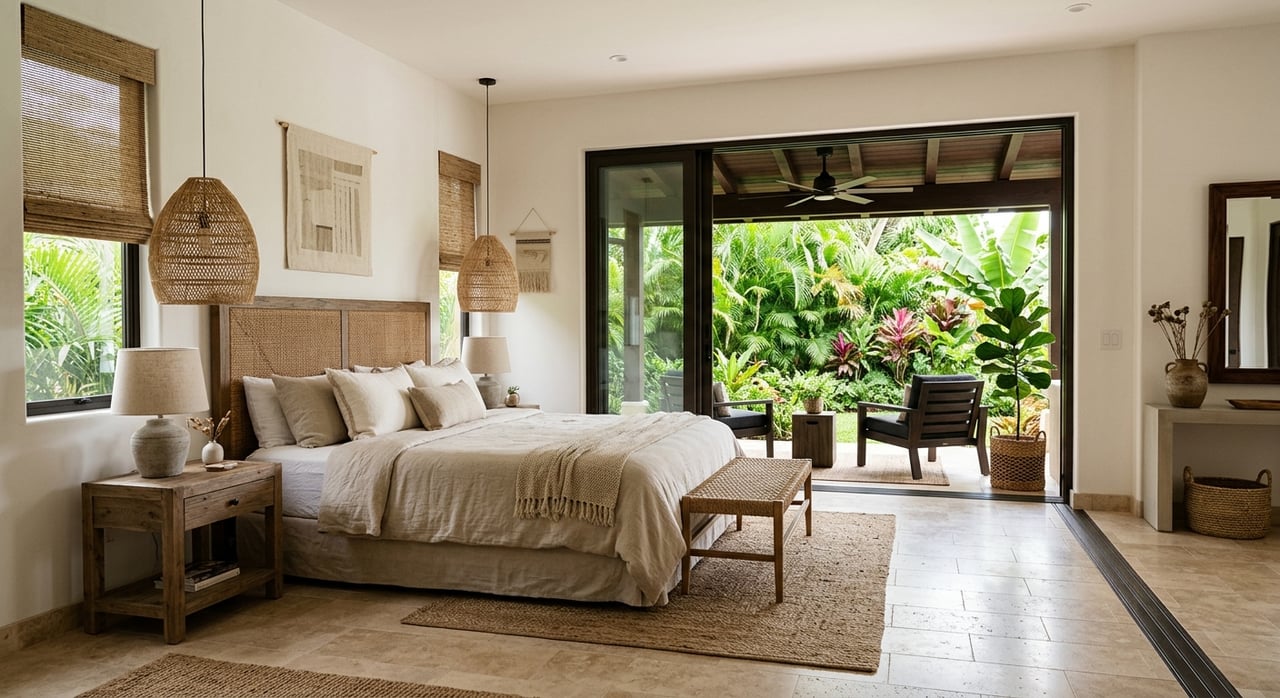
Kapalua Bay Villas stands out because it is an owner-governed oceanfront community within Kapalua Resort, not a hotel tower. The community sits on about 16 acres, and the setting offers a more residential feel while still placing you inside a larger resort environment with beaches, trails, golf, and dining nearby.
That mix is a big reason the property works well as a hybrid vacation home and retreat. You can look at it as a place for personal stays, but also as an asset that may support multi-night vacation use, depending on the specific unit and its legal status. For many buyers, that balance of lifestyle and utility is the real draw.
Kapalua Lifestyle Adds Real Value
At Bay Villas, the location is part of the ownership experience. Oneloa Bay sits between Bay Villas and Ironwoods, while Kapalua Bay is known as a sheltered snorkeling beach. The broader Kapalua setting also includes marine sanctuaries, golf, white-sand beaches, and a nature-preserve feel.
For you as a buyer, that means the appeal goes beyond square footage. A villa here can function as a quiet retreat with easy access to outdoor experiences that define West Maui resort living. If your goal is to blend personal use with guest appeal, that setting matters.
Floor Plans Change the Ownership Experience
Not all Bay Villas units live the same way. The development includes several configurations, including roughly 1-bedroom and 2-bedroom layouts, lofted townhouse-style units, and a small number of less common floor plan types.
Reported layouts include:
- 1bd/1ba at about 1,006 square feet
- 1bd/1.5ba lofted townhouse-style units at about 993 square feet
- 1bd/2ba at about 1,093 square feet
- 2bd/3ba units at about 1,500 square feet
- Lofted 2bd/3ba townhouse-style layouts
One detail that can matter more than buyers expect is rarity. Only five true 1bd/2ba units are noted in the development, which may make that layout especially interesting if you want a more functional one-bedroom setup with added flexibility.
Entry Level Can Affect Demand
At Bay Villas, bedroom count is only part of the story. Entry type also matters because it affects everyday convenience for you and for guests.
In the project’s numbering system, G units are garden or ground-level units, while B units are bridge-level units. Bridge-level units generally avoid stairs, while many garden-level units require a stair descent. That can shape how easy it feels to arrive with luggage, groceries, or beach gear.
For a hybrid owner, this matters in two ways. First, it affects your personal comfort during stays. Second, it may influence guest appeal if you plan to place the property in a vacation-rental program.
View Orientation Drives Value
A Bay Villas purchase is highly unit-specific. Some villas are marketed as oceanfront, some as ocean view, and some as ocean views across a grassy field. Others highlight Molokaʻi or Lānaʻi views, lawn frontage, protected lanais, or direct beach adjacency.
That is why you should avoid thinking of Bay Villas as a one-size-fits-all complex. Two units with similar size can offer very different experiences based on view lines, breeze exposure, privacy, and lanai usability.
If your goal is hybrid use, ask yourself a few practical questions:
- Do you want a front-row ocean setting for personal retreats?
- Do you prefer a more protected lanai for everyday use?
- Is sunset orientation important to you?
- Would your ideal guest likely value convenience, privacy, or dramatic views most?
The best fit depends on how you plan to use the villa when you are on Maui and what kind of stay you want to offer when you are away.
Renovation History Matters More Than You Think
Bay Villas offers meaningful renovation flexibility, but changes are not automatic. Common modifications have included loft extensions, lanai enclosures, extra storage creation, bath additions, and bathroom reconfiguration, all subject to AOAO approval and Maui County permits.
That means two units with similar original layouts may perform very differently in real life. One may feel more spacious, more functional, or more current because of approved improvements. Another may still be in a more original condition that affects how you budget for updates.
Before you buy, it is smart to look beyond finishes. Pay attention to whether past work improved livability, storage, bathroom count, or lanai use, because those details often shape both owner enjoyment and resale appeal.
Rental Use Requires Careful Underwriting
If you are considering occasional vacation-rental use, you need to underwrite Bay Villas with care. In Hawaiʻi, rentals under 180 consecutive days require GET and TAT registration and filings, and short-term rentals are subject to both taxes.
The current tax picture is important. The state transient accommodations tax increases from 10.25% to 11.00% effective January 1, 2026. Maui County’s GET rate is listed at 4.7120% through December 31, 2030.
For you, that means gross income should not be treated as simple net rent. A realistic ownership model should account for both tax layers when evaluating revenue potential.
Property Taxes Can Vary Widely
One of the biggest mistakes buyers make is assuming similar-looking oceanfront condos carry similar tax burdens. Maui County classifies property by highest and best use, with separate classes that include owner-occupied, long-term rental, hotel and resort, TVR-STRH, and commercialized residential.
The county’s 2026 rate schedule shows a large spread across those categories. Reported rates range from much lower owner-occupied levels to higher hotel and resort and TVR-STRH levels. That spread can materially affect annual carrying costs.
Because of that, one of the most important due-diligence steps is verifying the exact tax classification tied to the TMK. It is not enough to assume the project name tells you how a specific unit will be taxed.
Rental Patterns Suggest Multi-Night Stays
Current Bay Villas rental examples suggest a multi-night leisure model rather than hotel-style quick turnover. Recent management listings have shown a 4-night minimum, with one example also showing a 62-night maximum.
That does not prove every unit is handled the same way, but it does help frame expectations. If you are planning hybrid ownership, Bay Villas appears more aligned with longer vacation stays than very short stays.
For many owners, that can be a positive. Multi-night guest patterns may better fit a resort-residential atmosphere and may also align more naturally with owners who want to block out time for their own visits.
Seasonality Shapes Personal Use and Demand
Kapalua is not a generic vacation market. Seasonal patterns matter because the area’s appeal changes through the year.
Humpback whales are in Hawaiʻi each winter from December through May, with peak whale watching between January and early April. Summer weather is often shaped by trade winds, while storm systems can bring large surf to north and west shores during parts of the year.
There is also an important beach-specific contrast nearby. Kapalua Bay is known as a more sheltered snorkeling beach, while Oneloa Bay can see fast-breaking winter surf. If you are choosing between units, exposure, orientation, and lanai comfort may feel different in winter, spring, and summer.
HOA Rules Matter to Daily Use
Because Bay Villas is an owner-governed community, the HOA packet deserves serious attention. The association’s public materials include governing documents, renovation guidelines, meeting minutes, reports, and onboarding materials, which signals a rule-driven project where operating details matter.
The posted house rules cover everyday issues that affect both owner experience and guest expectations. Examples include no smoking on lanais or balconies, a 10 mph vehicle limit, use of marked parking stalls, pool hours of 8:00 a.m. to 8:00 p.m., restrictions on certain pool items, prohibition of open-flame cooking on lanais, and requirements to use established beach-access pathways.
These rules may sound routine, but they shape real-world ownership. They can affect how you furnish the unit, where you store beach gear, and how a rental manager communicates house expectations to guests.
The Biggest Risk Is Regulatory
For many buyers today, the largest risk factor is not the building itself. It is the legal status of a specific unit and how Maui County rules may apply over time.
Maui County adopted Ordinance 5909, signed into law on December 15, 2025, to phase out transient vacation rentals in apartment districts over time, with West Maui set for December 31, 2028, and the rest of the county for December 31, 2030. The ordinance also preserves certain legally permitted uses, including hotels and some planned-development situations that meet specific historical criteria.
The county also states that its public TVR list is informational only and does not confirm a right to operate. In practical terms, that means you should evaluate each Bay Villas purchase on a unit-specific basis, including the TMK, legal use, tax class, and whether the property falls within an exception or another permitted category.
A Smart Bay Villas Buying Checklist
If you are exploring Kapalua Bay Villas as a hybrid vacation home and retreat, focus on the details that directly shape lifestyle, compliance, and carrying costs.
Use this checklist as a starting point:
- Confirm the exact floor plan and whether the layout is common or scarce
- Identify whether the unit is bridge-level or garden-level
- Evaluate actual view orientation, privacy, breeze, and lanai usability
- Review renovation history and confirm AOAO approval and permits where needed
- Verify the current Maui County tax classification tied to the TMK
- Model GET and TAT as part of your revenue assumptions
- Review HOA documents, house rules, and renovation guidelines
- Clarify the unit’s legal status for transient use under current county rules
- Compare how the unit fits your personal-use calendar and likely guest demand
Why Local, Integrated Guidance Helps
A Bay Villas purchase can look simple from the outside, but the right decision usually comes down to details. Floor plan, legal use, entry style, tax classification, and rental strategy all matter, especially if you want both personal enjoyment and disciplined ownership planning.
That is where local guidance can make a real difference. When you work with a team that understands West Maui resort micro-markets and also manages vacation rentals in-house, you can evaluate a property through both a lifestyle lens and an operations lens.
If you are thinking about Kapalua Bay Villas and want help comparing unit options, ownership costs, and real-world use cases, connect with Scott Jordan for local insight and high-touch guidance tailored to your Maui goals.
FAQs
What makes Kapalua Bay Villas different from a hotel property in Kapalua?
- Kapalua Bay Villas is an owner-governed oceanfront community within Kapalua Resort, which gives it a more residential feel than a hotel tower while still offering access to a broader resort setting.
What floor plans are available at Kapalua Bay Villas?
- Reported layouts include 1-bedroom and 2-bedroom options, lofted townhouse-style units, and a limited number of true 1bd/2ba villas, with sizes ranging from about 993 to 1,500 square feet depending on configuration.
Why do bridge-level and garden-level Bay Villas units matter to buyers?
- Entry level affects convenience because bridge-level units generally avoid stairs, while many garden-level units require a stair descent, which can influence daily use and guest appeal.
Are all Kapalua Bay Villas units good for vacation rental use?
- No, the analysis should be unit-specific because legal use, tax classification, HOA rules, and Maui County regulations can vary and may affect whether a unit fits your intended rental plan.
What taxes should buyers consider for a Bay Villas hybrid vacation home?
- Buyers should account for Maui County property taxes based on the unit’s classification, plus GET and TAT for rentals under 180 consecutive days if the property is used for short-term rental activity.
How does seasonality affect ownership at Kapalua Bay Villas?
- Winter and early spring can be especially appealing because of whale season and strong visitor interest, while weather, surf, and wind exposure can make a unit’s orientation and lanai comfort more important throughout the year.
Why should buyers review the HOA documents for Kapalua Bay Villas?
- The HOA documents help you understand the community’s rules, renovation requirements, and operating expectations, which can affect both your personal use and any guest experience planning.