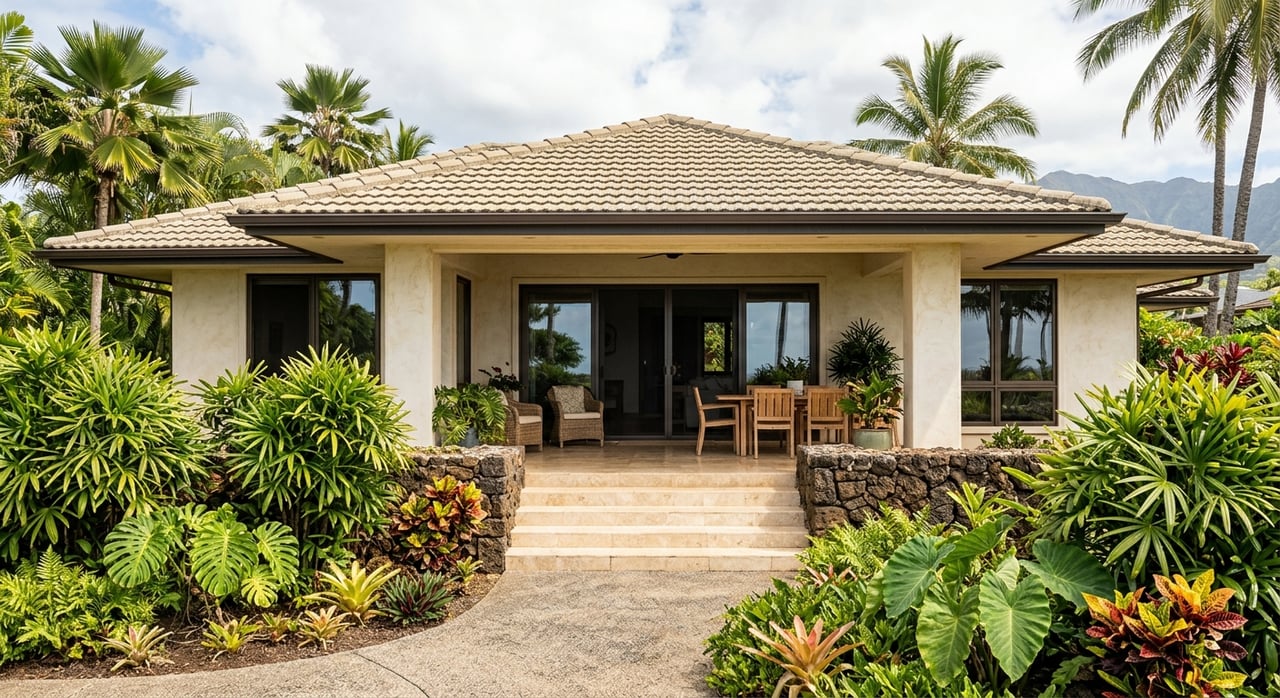
Dreaming of a Maui home where your day starts with coffee near the beach and ends with a sunset walk instead of a packed resort scene? Napili stands out for exactly that reason. If you are looking for a slower coastal rhythm, a smaller-scale setting, and clear insight into what ownership here really means, this guide will help you understand the lifestyle, property mix, and rental rules that matter most. Let’s dive in.
Why Napili Feels Different
Napili sits within the broader Napili-Honokowai area on West Maui’s leeward coast, a part of the island generally known for drier conditions than the windward side. That climate helps shape the outdoor lifestyle many buyers picture when they think about owning here. Beach time, open-air dining, and sunset-focused routines all feel natural in this setting.
What makes Napili especially appealing is its scale. Nearby areas like Kaanapali and Kapalua are officially described with larger resort footprints, more dining, shopping, and golf infrastructure. By comparison, Napili tends to feel quieter and more residential, even though it is close to some of West Maui’s most recognized shoreline destinations.
For many buyers, that balance is the draw. You are near established resort areas and beautiful bays, but your day-to-day setting can feel more tucked away and relaxed.
The Everyday Lifestyle in Napili
Napili Bay is central to how the area lives and feels. Official Maui tourism materials describe beachfront properties here as smaller, charming, and directly tied to snorkeling, sunbathing, and easy ocean access. That gives the area a distinct beach-first personality.
This is not a place defined by major nightlife or dense retail. The daily rhythm is more about simple pleasures: a morning coffee run, time by the water, a casual lunch, and a low-key dinner close to the bay. That slower pace is a big reason many second-home and lifestyle buyers are drawn to Napili.
Napili Kai Beach Resort adds another layer to that picture. Its long-standing presence, beachfront setting, and casual amenities support the idea that Napili leans toward relaxed resort living rather than a high-energy tourist strip.
Beach Access Shapes the Experience
In Napili, the shoreline is not just scenery. It influences how you spend your time and how you think about ownership. If being able to walk to the beach, keep your day simple, and stay connected to the ocean matters to you, Napili checks a lot of boxes.
West Maui’s shoreline also changes with the seasons. Maui County notes that the coast shifts in exposure from southwesterly to westerly to northwesterly, and seasonal swell can reshape beaches and move sand over time. In practical terms, that means the same beach can feel calm one week and much more active another week.
That changing coastline is part of living on Maui. It adds beauty and variety, but it also means you should approach oceanfront ownership with both appreciation and awareness.
Napili Is More Than a Visitor Area
While the public image of Napili often centers on condo resorts and beachfront stays, the area also has a real neighborhood side. Napili Park includes ADA accessibility, basketball and pickleball courts, a playground, picnic areas, restrooms, and parking. That kind of community infrastructure helps show that Napili is lived in, not just visited.
This matters if you want a home base that feels grounded in everyday use. Even in a coastal market known for vacation appeal, many buyers still want signs of day-to-day community life. Napili offers some of that balance.
It also helps explain why the area can appeal to different kinds of owners. Some buyers want a second home near the beach, while others want a lower-maintenance condo or a part-time retreat with a more relaxed feel than a large resort district.
What the Housing Picture Suggests
Because Census data combines Napili with Honokowai, broad housing numbers should be treated as directional rather than Napili-only. In that combined area, the 2020 Census and ACS profile shows a 53.0% owner-occupied housing rate, a median owner-occupied value of $878,900, a median gross rent of $2,220, and a median household income of $105,565.
Those numbers are useful for context, but not as a block-by-block pricing guide. Napili itself is often associated with a mix of resort-oriented condos, hotel-style properties, and residential pockets nearby. Buyers should expect property type, use options, and ownership goals to matter as much as headline market numbers.
That is especially true if you are comparing a personal retreat, a part-time residence, or a property you hope might have income potential. In Napili, those are very different ownership paths.
Short-Term Rental Rules Matter
One of the biggest mistakes buyers can make in Napili is assuming a property can be used as a short-term rental just because it looks like a vacation home. Maui County defines a transient vacation rental as a rental of a housing unit for less than 180 days. The county also states that transient vacation rentals are prohibited outside the hotel district unless the property has the correct approval path.
That makes property-level verification essential. A condo, resort unit, or house may look like it should work as a vacation rental, but zoning, permit status, and association rules can lead to a very different answer. You need to verify all three before you count on any short-term rental use or income.
For short-term rental homes, Maui County’s current materials show the West Maui Community Plan Region capped at 50 permits, with 47 approved on the county list for the issue and renewal period shown. The county also notes that its permit database may not be fully complete and is updated quarterly.
Verify the Unit, Not the Story
The county’s approved list includes at least one Napili-addressed example, NAPILI HALE at 5460 Lower Honoapiʻilani Highway. That confirms that some Napili-area properties do have formal short-term rental-home status. But one permitted property does not tell you anything about the legal use of a neighboring unit or another complex.
This is where local guidance can make a big difference. If you are buying with both lifestyle and possible rental performance in mind, you want clear answers before you close, not assumptions after the fact. In a market like Napili, details at the unit and project level matter.
For buyers who want an ownership plan that blends personal enjoyment with operational clarity, this due diligence stage is one of the most important parts of the process.
Ocean Safety Is Part of Ownership
Owning near Napili Bay also comes with a practical responsibility: respecting ocean conditions. Hawaii Ocean Safety advises beachgoers to swim near lifeguards, check warning signs, and pay attention to changing conditions. Maui County has also reported rescues at Napili Bay during high surf and rip current conditions.
That does not take away from the beauty of the area. It simply reflects the reality of coastal living on West Maui. The ocean can be calm, inviting, and central to daily life, but it always deserves attention and respect.
For owners, this is part of hosting family, planning your own beach days, and understanding the setting you are buying into. It is one more example of why local knowledge matters in Napili.
Who Napili Tends to Fit Best
Napili is often a strong fit if you want a beach-forward routine and a quieter setting than larger West Maui resort districts. Buyers who value low-key mornings, casual dining, and easy access to the water often connect with the area quickly. It can make sense for a second-home buyer, a condo buyer seeking lower-maintenance ownership, or a lifestyle buyer who prioritizes a more relaxed pace.
It may be a weaker fit if your ideal location depends on dense shopping, broad nightlife options, or a larger resort amenity stack right outside your door. Nearby Kaanapali and Kapalua are more closely associated with those bigger footprints. Napili’s appeal is that it feels smaller, softer, and less commercial.
That difference is not better or worse. It simply comes down to how you want to live when you are on Maui.
What to Keep in Mind Before Buying
If Napili matches the pace you want, it helps to go into the search with a clear framework. Focus on how you plan to use the property first, then evaluate the details that support that goal.
A smart Napili buying checklist often includes:
- Your primary use: second home, part-time residence, or possible rental property
- Property type: condo, resort-oriented unit, or single-family home
- Walkability to the bay and shoreline access
- Association rules and building-specific use restrictions
- Maui County zoning and permit status for any short-term rental plans
- Ocean exposure and your comfort with seasonal shoreline changes
- The level of quiet, convenience, and amenities you want day to day
When you look at Napili through that lens, the area becomes much easier to evaluate. Instead of buying into a general Maui dream, you can buy into a very specific ownership experience that fits your goals.
If you are exploring Napili and want a local perspective on the ownership side, from lifestyle fit to rental-rule verification, Scott Jordan can help you navigate West Maui with the kind of high-touch, grounded guidance that makes the process clearer and more confident.
FAQs
What is the lifestyle like for owners in Napili, Maui?
- Napili is known for a slower coastal rhythm centered around beach access, casual dining, coffee runs, and quieter evenings rather than a large resort or nightlife scene.
Can you use a Napili property as a short-term rental?
- Sometimes, but you should never assume it is allowed. Maui County says transient vacation rentals under 180 days require the correct zoning and approval path, so buyers need to verify county status and association rules for the specific property.
Is Napili mostly condos or single-family homes?
- Napili is commonly associated with small-scale condo-resort properties, but it also has a neighborhood side with residential areas and community features like Napili Park.
How do ocean conditions affect owning near Napili Bay?
- West Maui’s shoreline changes with seasonal swell, and conditions like high surf and rip currents can affect the bay, so owners should pay attention to ocean safety guidance and changing beach conditions.
Is Napili a good fit if you want a quieter part of West Maui?
- For many buyers, yes. Napili tends to appeal to people who want beach-first living and a more relaxed setting than larger nearby resort districts such as Kaanapali or Kapalua.
What housing data should buyers know about Napili-Honokowai?
- Census data for the combined Napili-Honokowai area shows a 53.0% owner-occupied rate, a median owner-occupied value of $878,900, a median gross rent of $2,220, and a median household income of $105,565, but those numbers should be treated as directional rather than Napili-only.